
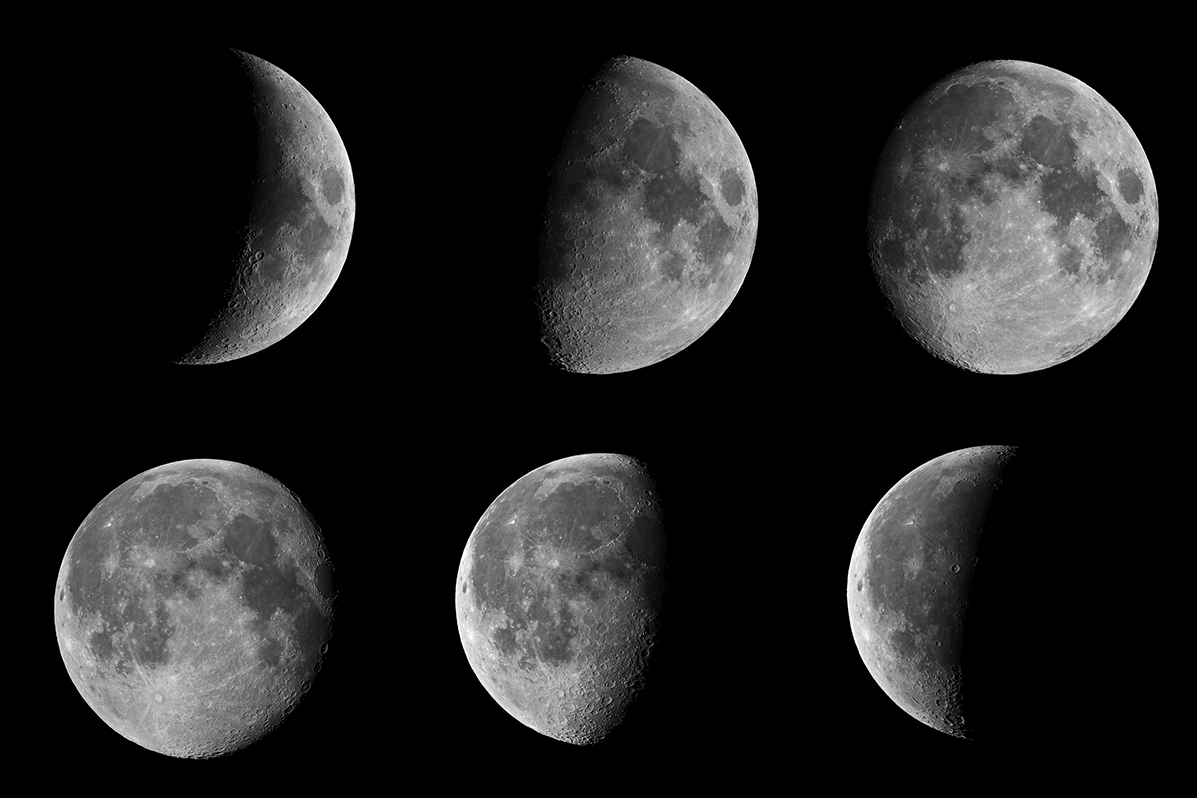
Moontopia — a practical path to living on the Moon
"Society functions best when old men plant trees whose shade they will never enjoy"
Explore the future of sustainable living on the moon with our innovative concepts and ideas.
I've always been inspired by multigenerational projects like the Pyramids of Giza, the Great Wall of China, or Medieval Cathedrals. Imagine how much more connected people must have felt working on a project that their grandfather started, with the hope that their grandchildren or even great-grandchildren would see it completed. I believe this sense of continuity and purpose could be the antidote to the nihilism that modernity faces, a concept that needs to be rediscovered.
Why the Moon before Mars
Mars gets the headlines, but the Moon is where you learn to live off-world without a nine-month one-way ticket.
Close enough to help. The Moon is about three days away. Mars is months. That means real-time conversation with Earth, feasible resupply, and a chance of rescue if something goes wrong — none of which you get on Mars.
Practice for the hard stuff. Life support, habitats, dust, radiation, and ISRU are easier to debug when Earth is next door. Treat the Moon as the dress rehearsal; take those lessons to Mars later.
Resources on site. Polar water ice can feed life support and propellant. Building and launching from 1/6 g beats hauling every kilogram out of Earth's gravity well.
A place people already care about. The Moon is humanity's first off-world destination. A permanent presence there is a clearer next step — culturally and politically — than a leap straight to Mars.
In short: the Moon is the manageable foothold. Mars is the later prize.
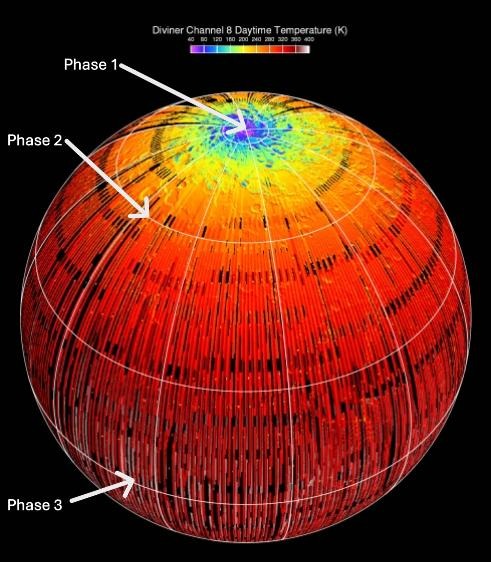


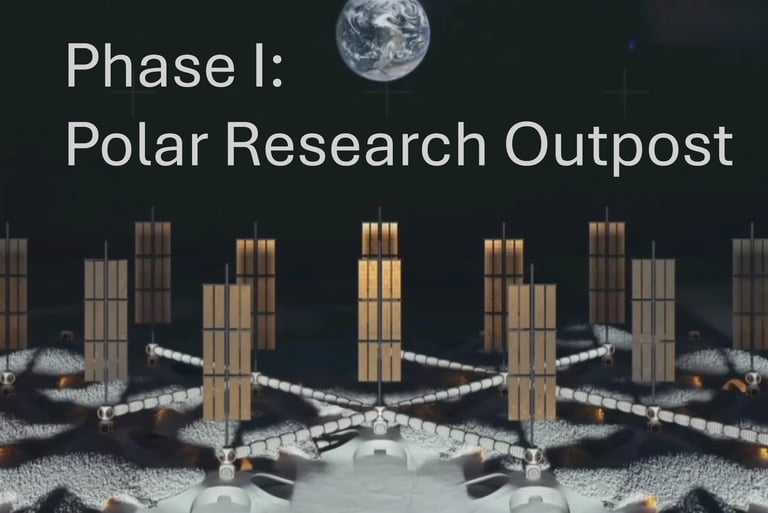
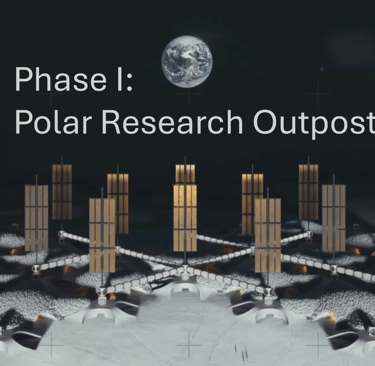


Phase 1: Establishing a Polar Lunar Base
Power Generation: Construct a base at the lunar poles, utilizing vertical solar panels that rotate to track the Sun as the Moon rotates. This design will maximize solar energy capture. Additionally, integrate nuclear power systems for emergency energy supply and to provide consistent heat during the long lunar nights.
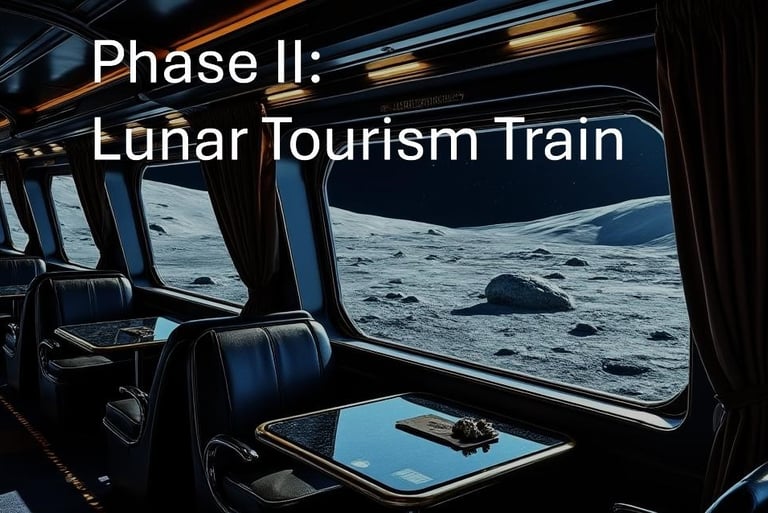
Phase 2: Lunar Tourism Train
Here's the fun part. Pick a mid-to-high latitude belt where noon is less brutal than the equator. Simple thermal models put bare-regolith midday around ~45°C near 60°, and closer to a mild ~25°C nearer 65–70° (Williams/Hayne Diviner-class results; local slopes change this a lot). The ring circumference at 60° is about 5,458 km — shorter than the Trans-Siberian Railway.
To ride the terminator — the moving day/night line set by the Sun — the train has to match the Moon's synodic day (~29.53 Earth days), not the sidereal spin. That is about 7.7 km/h (circumference ÷ (29.53 × 24)). An earlier draft used the sidereal day and got ~8.3 km/h; that was the wrong clock for sunlight.
At that crawl, you stay in a long temperate afternoon instead of cooking at noon or freezing at night — still not shirtsleeves on open regolith, but a far better place to run tourism and surface work than a fixed base at the equator.
Phase 3: Advanced Manufacturing Facilities
Exploiting Environmental Advantages: Leverage the significant temperature differences and abundant, reliable solar power at the Moon's equator to host large-scale robotic manufacturing plants.
Spacecraft Production: These facilities will focus on constructing spacecraft from materials like stainless steel, which are challenging to launch from Earth due to their mass. The lunar environment allows for the creation of larger spacecraft, potentially utilizing electromagnetic rail systems for launch, which can achieve escape velocity efficiently.
Strategic Value: These larger spacecraft would be ideal for extended missions, enhancing safety and capability for journeys to Mars and beyond, thanks to the Moon's lower gravity and the strategic use of local resources.
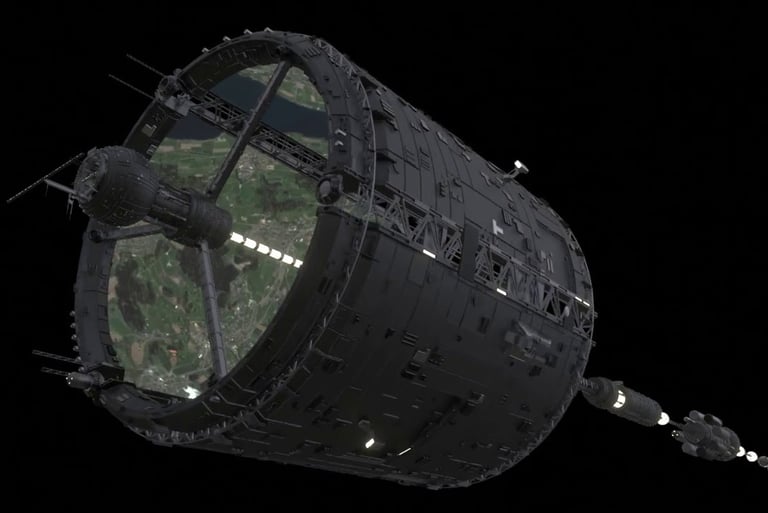
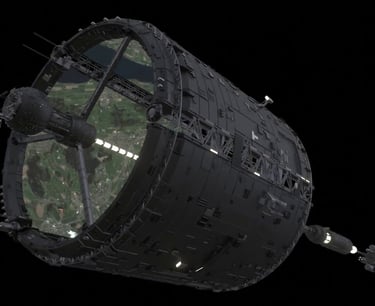
Phase 4 and beyond: Expand the polar base into a permanent settlement habitats, labs, and industry that support longer stays and pave the way for Mars.
Contact us to learn more about our innovative idea of creating a moon base with a rail line around the equator for perpetual sunlight.